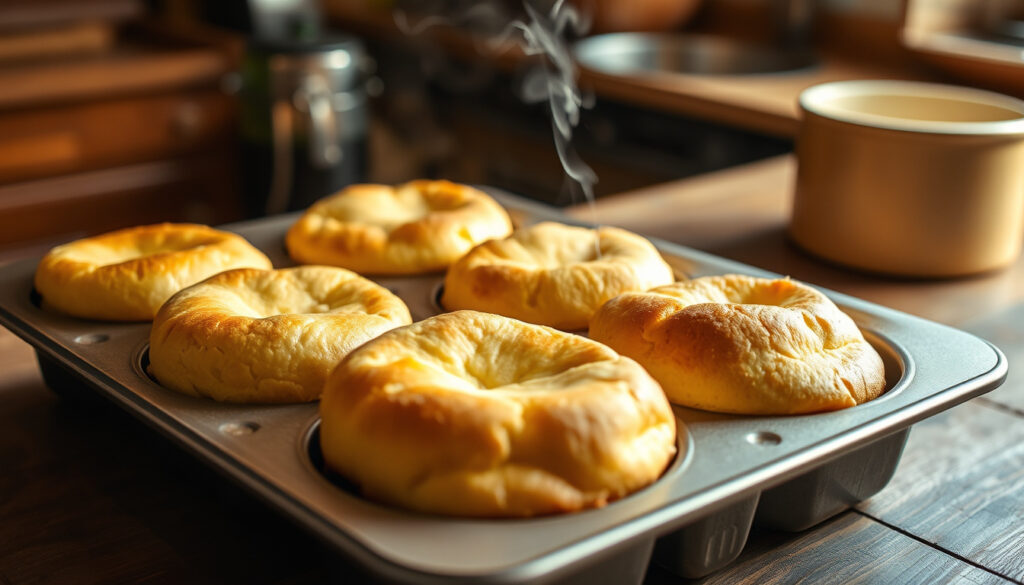
Yorkshire Pudding Recipe UK – Perfect Rise Every Time
Yorkshire pudding stands as one of Britain’s most beloved culinary traditions, a simple yet remarkable dish that transforms three basic ingredients into golden, towering cylinders. Unlike its American cousin the popover, the British version prioritises a crispy exterior and hollow centre, making it the perfect vehicle for absorbing rich beef gravy alongside a Sunday roast. Understanding the precise ratios, temperatures, and techniques separates the pudding that collapses flat from one that achieves that characteristic dramatic rise.
The craft behind perfect Yorkshire puddings centres on a handful of critical principles rather than elaborate techniques. Professional cooks and home bakers alike swear by the importance of scorching-hot fat, a well-rested batter, and an oven hot enough to generate immediate steam. These elements work together to create the internal pressure that lifts the batter into its iconic shape. Getting any one of these factors wrong typically results in the disappointing flat puddings that frustrate so many cooks.
This guide examines the traditional British method, addresses common failures, and explains the science behind achieving consistent results. Whether serving twelve small puddings alongside a roast or attempting a single giant specimen, the underlying principles remain identical. The recipe demands patience, precision, and an understanding of why certain steps matter.
How to Make Traditional Yorkshire Pudding (UK Recipe)
The foundation of any authentic Yorkshire pudding lies in its ingredient ratios. Traditional recipes call for equal volumes of eggs, flour, and milk, typically expressed as a 1:1:1 ratio. This straightforward proportion produces a batter with the ideal consistency for achieving maximum rise without becoming dense or rubbery.
Yorkshire, UK (1700s)
Beef dripping or oil
220°C (425°F)
12 small puddings
5 Key Insights for Perfect Yorkshire Puddings
- The fat must smoke: Adding cold batter to merely warm fat produces flat results. The fat should be genuinely smoking hot when the batter enters the oven.
- Rest the batter thoroughly: Allowing the mixture to rest for at least 30 minutes, or up to 24 hours, enables starch molecules to swell and creates a lighter final texture.
- Resist opening the oven door: Checking your puddings too early causes temperature fluctuations that collapse the rising structure.
- Measurement ratios matter: Equal volumes of egg, flour, and milk produce reliable results regardless of whether you use scales or measuring jugs.
- Use plain flour, not self-raising: Self-raising flour produces inferior results because the raising agents interfere with the steam-based rising mechanism.
- Full-fat milk performs best: The fat content contributes to richer flavour and better structure than reduced-fat alternatives.
- Eggs provide essential lift: They supply the protein structure and leavening necessary for the dramatic rise that characterises proper Yorkshire puddings.
| Ingredient | Amount | Role |
|---|---|---|
| Plain Flour | 200g | Structure and framework |
| Large Eggs | 4 (about 200ml) | Lift and binding |
| Full-Fat Milk | 200ml | Batter consistency |
| Salt | Pinch | Flavour enhancement |
| Beef Dripping or Oil | ½-1 tsp per hole | Conducting heat, crispy base |
Why Don’t Yorkshire Puddings Rise? Top Troubleshooting Tips
The failure to rise represents the most common complaint among home cooks attempting Yorkshire puddings. Understanding the specific causes enables targeted fixes rather than guesswork. The science behind rising depends on steam generation, and anything disrupting this process results in flat, dense puddings.
Identifying the Root Causes
Insufficient fat temperature ranks as the primary culprit behind puddings that refuse to rise. The batter must contact fat that has reached smoking point, which typically requires preheating the tin for at least 10-15 minutes before adding the fat. Even seemingly hot ovens can have cold spots or may not maintain temperature adequately with the door open during preparation.
Opening the oven door during the critical first 15 minutes of baking interrupts the rising process. Cold air rushing in causes the steam-filled interior to contract, collapsing the structure before it sets. Professional cooks recommend positioning the oven rack at a comfortable height before preheating and resisting all temptation to check progress until the timer indicates at least 15 minutes of uninterrupted baking.
Old or inaccurate ovens frequently underperform, producing disappointing results despite correct technique. Using an oven thermometer to verify actual temperature proves essential for consistent success.
Fixing Common Problems
Dense middles typically result from insufficient batter rest. The resting period allows flour particles to fully hydrate and gluten strands to relax, creating a smoother batter that rises more easily. Skipping this step, even when time-pressed, significantly compromises the final texture. Recipes specifying immediate use versus rested batter consistently show superior results from rested versions.
Soggy bottoms indicate inadequate heat transfer at the base of each pudding. This occurs when insufficient fat is used, when the fat has cooled before baking begins, or when overcrowding in the tin prevents proper heat circulation. Each indentation requires enough fat to coat the base completely before the batter is added.
Flat puddings respond to smoking the fat and verifying oven reaches 220°C. Dense middles require a 30+ minute batter rest. Soggy bases need more fat and reduced crowding in the tin. Uneven rising occurs from opening the oven door too early.
Perfect Cooking Temperature and Method for Yorkshire Puddings
Achieving the correct oven temperature forms the cornerstone of successful Yorkshire pudding production. The widely accepted standard stands at 220°C (425°F) with fan settings reduced to 200°C. This high heat creates the intense environment necessary for rapid steam generation and the dramatic rise that characterises properly made puddings.
Preparing Your Equipment
Metal tins conduct heat more effectively than silicone alternatives, producing superior results with crispier exteriors. A standard 12-hole muffin tin works well for small individual puddings, while larger Yorkshire pudding tins create impressive giant specimens. Whether using a conventional oven or fan-assisted model, ensuring the temperature reads accurately remains crucial.
The preparation sequence begins with preheating the empty tin in the oven for approximately 10 minutes. Only after this initial heating should you add the fat, then return the tin to continue heating until the fat reaches smoking point. This two-stage heating ensures the entire tin, not just the surface, reaches the required temperature for consistent results.
The Pouring Technique
Cold batter entering the smoking-hot fat creates the temperature differential necessary for rising. The sudden contact causes the batter’s exterior to begin cooking immediately while the interior continues heating, generating steam that expands the structure upward. Filling each hole to approximately two-thirds capacity allows room for the dramatic increase in volume without overflow.
Working quickly during the filling process minimises heat loss from the oven. Some cooks prefer to pull the oven rack partially out during filling, positioning each hole at a comfortable height before adding batter. Once all puddings are filled, the oven door should close immediately with no peeking permitted for the first 15 minutes of baking.
Small puddings typically require 15-20 minutes until golden brown. Larger specimens may need 20-25 minutes. For extra-crispy bases on giant puddings, flipping them during the final 5 minutes produces excellent results.
Key Ingredients and Variations for Authentic Yorkshire Pudding Batter
The simplicity of Yorkshire pudding batter belies its effectiveness. Three core ingredients—flour, eggs, and milk—combine in equal proportions to create a versatile base that has sustained British families for generations. Each component serves a specific function in achieving the desired texture and rise.
Understanding the Role of Each Ingredient
Plain flour provides the structural framework, creating the network of proteins and starches that hold the risen shape. Using plain (all-purpose) flour rather than self-raising proves essential, as the chemical raising agents in self-raising flour interfere with the steam-based rising mechanism. The protein in eggs contributes additional structure while also providing leavening through the air incorporated during whisking.
Full-fat milk creates the batter’s fluid consistency while adding richness that enhances flavour. The fat content also contributes to a more tender interior. Some traditionalists advocate for using milk straight from the refrigerator, as the cold temperature maximises the temperature differential when added to hot fat.
Alternative Fats and Their Properties
Beef dripping remains the traditional fat of choice, lending authentic flavour and exceptional results. Its high smoke point allows for the extremely hot temperatures required without burning. Lard serves as an effective substitute, offering similar smoking properties and a neutral taste. Vegetable oils with high smoke points, such as sunflower or rapeseed oil, provide viable alternatives for those without access to animal fats.
Butter should be avoided as it burns at the temperatures necessary for successful Yorkshire puddings. The milk solids in butter scorch easily, creating bitter flavours and blackened spots rather than the golden colour sought in properly made puddings.
Making Batter Ahead of Time
The batter can be prepared up to 24 hours in advance, stored covered in the refrigerator. This make-ahead approach offers practical advantages for busy kitchens, particularly when preparing a full roast dinner. The resting period actually improves results by allowing starch molecules to fully hydrate and develop a smoother texture.
If resting the batter for extended periods, add salt just before baking rather than during initial preparation. Salt can affect the batter’s development over long rests, potentially leading to slightly different results than intended. The batter requires no additional adjustment when used cold from the refrigerator.
Jamie Oliver emphasises that hot oil cooks the batter edges instantly, pushing the mixture up the sides for maximum rise. He advises against overmixing, which develops gluten and causes the batter to drag downward rather than rising freely.
Quick History of Yorkshire Pudding
The origins of Yorkshire pudding trace back to the 18th century in northern England, where resourceful home cooks developed ways to supplement limited diets. The dish emerged as an economical solution, making use of oven heat that would otherwise go to waste while roasting joints of meat. Families positioned their batter puddings beneath the roasting meat to catch the dripping fat and juices.
- 1700s: Origins as an economical “poor man’s bread” using simple batter to stretch meat availability
- 1737: First documented recipe appears in Hannah Glasse’s The Art of Cookery, initially called “batter pudding”
- Victorian era: Evolution into the structured puddings served alongside roast dinners in public houses and homes
- Today: Recognition as an essential component of the traditional British Sunday roast, with dedicated puddings considered a delicacy
The transformation from simple batter pudding to the tall, hollow specimens served today occurred gradually through generations of refinement. Northern England’s industrial working families valued the dish for its ability to provide filling sustenance alongside smaller portions of expensive meat. The rising character that now defines quality specimens developed through experimentation with ingredient ratios and cooking temperatures.
Recipe Facts vs Common Myths
Conflicting advice circulates widely regarding Yorkshire pudding technique, making it difficult for home cooks to distinguish established facts from persistent myths. Understanding what genuinely matters versus what represents unnecessary complication helps streamline the cooking process while maximising success rates.
Established Facts
- Equal volume ratios (1:1:1) produce reliable results
- 220°C oven temperature creates necessary heat for rising
- Fat must reach smoking point before adding batter
- Batter rest improves final texture
- Plain flour only—no self-raising varieties
- Full-fat milk performs best
- No oven door opening during first 15 minutes
Common Misconceptions
- Eggs are optional for dietary reasons—actually essential for structure
- Room-temperature batter works as well as cold—cold creates better temperature differential
- Any flour works—self-raising produces inferior results
- Lower temperatures are safer—these prevent proper rising
- Skipping the rest saves time with no consequences—resting significantly improves texture
- Peeking shows progress—the inspection causes collapse
Why This UK Recipe Works Every Time
The science underlying Yorkshire pudding success centres on steam generation and rapid cooking. When cold batter contacts the scorching fat, the exterior begins cooking almost instantly, forming a seal that traps steam generated from the liquid ingredients. This internal pressure pushes the rising structure upward while the high oven temperature continues cooking the batter before it can collapse.
The resting period serves multiple functions beyond simple convenience. Hydrated flour creates a smoother batter that flows more readily into hot fat, while relaxed gluten strands don’t pull the rising pudding downward as it expands. These factors combine to produce lighter, more evenly textured results that justify the minimal additional waiting time.
Modern ovens with improved heat retention make achieving consistent results more straightforward than ever, though older appliances may require verification with a thermometer. Gas mark 8 approximates the required 220°C temperature for those using traditional British oven markings. Whatever equipment is available, prioritising the fundamental principles—hot fat, cold batter, steady heat—delivers reliable outcomes.
Expert Tips and Sources
Professional chefs and cooking institutions provide valuable guidance that home cooks can incorporate into their technique. Their expertise, developed through extensive testing and professional kitchen experience, offers insights that scientific explanations alone cannot convey.
“The key to great Yorkshire puddings is getting the fat really, really hot. I mean, smoking hot. That initial contact between the cold batter and the scorching fat is what makes them rocket up.”
— Jamie Oliver, Jamie Oliver.com
The BBC Good Food team emphasises that equal volume measurements work reliably whether using kitchen scales or standard measuring jugs, making the technique accessible regardless of available equipment. Their testing confirms that while fresh batter can produce acceptable results, resting the mixture overnight produces noticeably superior puddings.
Freezing cooked puddings presents a practical option for busy households. Multiple sources confirm that fully cooled puddings freeze excellently and reheat well in a low oven or microwave, allowing home cooks to prepare larger batches when time permits. This make-ahead flexibility makes Yorkshire puddings viable for weeknight meals alongside elaborate weekend roast dinners.
What’s Next: Pair with Roast Dinner
Traditional Yorkshire puddings reach their full potential when served alongside a well-prepared roast dinner, particularly roast beef. The hollow centre collects rich gravy while the crispy exterior provides textural contrast. Many British families consider the pudding the highlight of the meal, worth the extra effort required to achieve perfect results.
Those looking to expand their repertoire of traditional British dishes might explore How to Make Hummus – Creamy Homemade Recipe for complementary side dishes, or discover regional variations like those covered in Cream Tea Near Me – Best Devon and Cornwall Guide for understanding how different areas approach classic fare. The British culinary tradition offers remarkable depth beyond the Sunday roast, with regional specialties reflecting local ingredients and historical influences.
Frequently Asked Questions
What is the secret to good Yorkshire puddings?
The primary secret involves using extremely hot fat that reaches smoking point before adding cold batter. This temperature differential creates the steam necessary for dramatic rising. Combined with a rested batter and undisturbed baking time, this technique consistently produces impressive results.
Can you make Yorkshire pudding batter ahead?
Yes, the batter can be prepared up to 24 hours in advance and stored in the refrigerator. This resting period actually improves results by hydrating the flour and developing better texture. Add salt just before baking if resting longer than 30 minutes.
Do you need eggs in Yorkshire pudding?
Eggs are essential for proper rising and structure. They provide protein for binding and contribute to the leavening effect. While vegan adaptations using aquafaba exist, traditional Yorkshire puddings require eggs for the characteristic rise and texture.
What temperature for Yorkshire pudding?
The oven should be preheated to 220°C (425°F) or 200°C if using a fan oven. An oven thermometer helps verify accuracy, particularly for older appliances that may not maintain correct temperatures.
How long to cook Yorkshire puddings?
Small puddings typically require 15-20 minutes until golden brown. Larger specimens need 20-25 minutes. The oven door should remain closed for at least the first 15 minutes to prevent temperature fluctuations that collapse the rising structure.
Why do Yorkshire puddings sink?
Sinking occurs when the structure collapses before it fully sets. Common causes include opening the oven door too early, insufficient oven temperature, or batter that was not rested adequately. Cooling too quickly after baking can also cause slight collapsing.
What fat to use for Yorkshire pudding?
Beef dripping provides the most authentic flavour and excellent results. Lard offers a suitable alternative with a high smoke point. Vegetable oils such as sunflower or rapeseed oil also work well. Butter should be avoided as it burns at the required temperatures.
Can I make Yorkshire pudding in a muffin tin?
A standard 12-hole muffin tin works excellently for small individual puddings. Metal conducts heat more effectively than silicone, producing superior crispy results. Fill each hole approximately two-thirds full with batter for optimal rising.
More related posts
 Ragnar Lothbrok: Real Viking History vs. TV Fiction Explained
 165cm in Feet and Inches – Exact Conversion Guide
 Marks & Spencer Sparks Offers, Discounts & £13 Rule Explained
 La Roche Posay Cicaplast: Uses, Face Application & Reviews
 James Acaster: Autism Diagnosis, Net Worth, and Off Menu Podcast Facts
 EasyJet Flight U22902 Emergency Landing: Munich Diversion
 Bianca Censori Grammys Outfit – Reveal, Reactions and Facts
 British Gas Phone Number: Free Numbers & How to Speak to Someone
