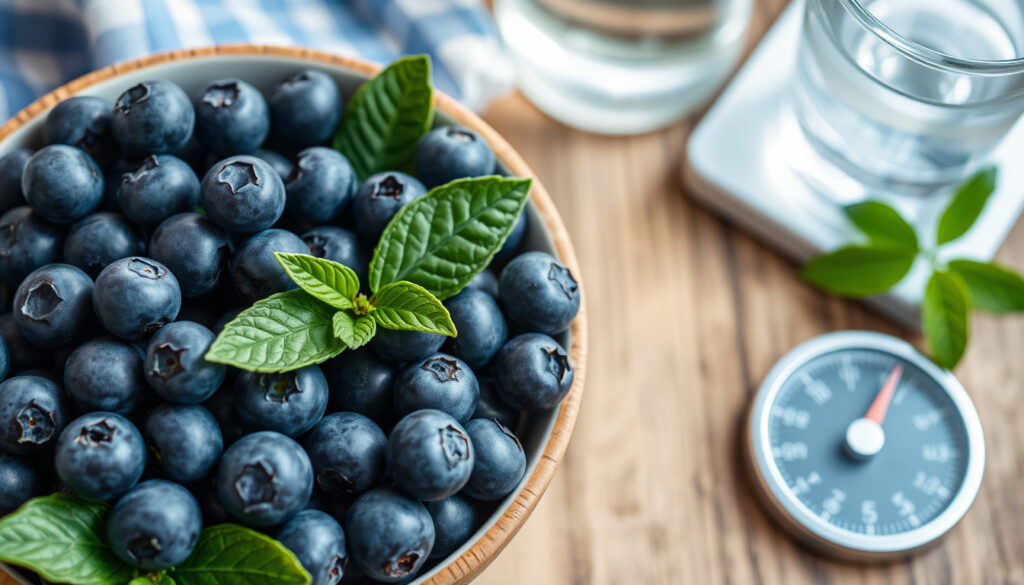
Are Blueberries Good for You? Benefits, Risks, and More
Few foods spark as much debate as the humble blueberry. One cup delivers just 84 calories while supplying nearly 4 grams of fiber and a quarter of your daily vitamin C, according to WebMD. Yet conflicting advice from some cardiologists has left many wondering whether these berries are friend or foe. Here’s what the evidence actually shows.
Calories per cup (148g): 84 ·
Fiber per cup: 3.6 g ·
Vitamin C per cup: 24% DV ·
Vitamin K per cup: 36% DV ·
Manganese per cup: 25% DV ·
Antioxidant capacity (ORAC): 9,621 units per 100 g
Quick snapshot
- Low in calories, rich in fiber, vitamins C/K, manganese (USDA ARS)
- Regular intake improves blood pressure and cholesterol (Frontiers in Nutrition)
- Anthocyanins deliver antioxidant/anti-inflammatory effects (PMC review)
- Optimal daily dose for cognitive benefits (Frontiers in Nutrition)
- Long-term oxalate risk for kidney stone patients (Lose It)
- Whether the cardiologist “snack to avoid” claim applies broadly (Cleveland Clinic)
- Daily consumption for up to 24 weeks shows cardiometabolic benefits (Frontiers in Nutrition)
- 1–3 servings per week linked to lower type 2 diabetes risk (PMC review)
- More RCTs on oxalate thresholds and kidney stone risk (Lose It)
- Refined age-specific guidance for older adults (Prevention)
Here are the key nutritional facts per cup of blueberries.
| Nutrient | Amount |
|---|---|
| Calories | 84 |
| Fiber | 3.6 g |
| Vitamin C | 24% DV |
| Vitamin K | 36% DV |
| Manganese | 25% DV |
| Antioxidant capacity (ORAC) | 9,621 units / 100 g |
Is it safe to eat blueberries every day?
How many blueberries per day?
For most adults, 1–2 cups (148–296 g) of blueberries per day is safe and beneficial. A typical gut-friendly serving is about 1 cup, according to a dietitian quoted by Lose It. Amounts beyond 1 cup can raise the risk of gastrointestinal symptoms in sensitive people. Some individuals may tolerate up to 2 cups without adverse effects.
What happens if you eat blueberries everyday?
- Daily consumption for up to 24 weeks has shown improvements in cholesterol, inflammatory biomarkers, and blood vessel function (Frontiers in Nutrition).
- Excessive intake may cause bloating, gas, cramping, or diarrhea, especially if you increase fiber too quickly (Lose It).
- Blueberries contain natural sugars, so large amounts can affect blood glucose (Prevention).
A daily cup of blueberries is safe and likely beneficial for most people. The trade-off: scale back if you have a sensitive digestive system or are on blood thinners (high vitamin K content).
The pattern: daily intake works for the general population, but individual factors – kidney stones, diabetes, blood thinners – shift the advice.
Why are cardiologists saying to quit eating blueberries?
Why do some doctors say you should not eat blueberries?
The claim originates from concerns about oxalates (compounds that can contribute to kidney stones in susceptible people), pesticide residues on conventionally grown berries, and natural sugars that might spike blood glucose. However, Cleveland Clinic counters that these risks are manageable: rinsing thoroughly reduces pesticides, moderate portions keep sugar in check, and oxalate concerns apply mainly to those with a history of calcium oxalate stones.
What is the one snack you should never eat according to a cardiologist?
This sensationalized headline often points to blueberry muffins or processed blueberry products, not whole blueberries. Whole berries lack the added sugars, refined flour, and trans fats that make the snack problematic. PMC review research shows whole blueberries improve vascular health – the opposite of what a sugary muffin does.
The “quit blueberries” warning applies to a narrow population: those with advanced kidney disease, histamine intolerance, or a prescribed low-oxalate diet. For the vast majority, whole blueberries remain a heart-healthy choice.
The implication: cardiologists’ warnings are about context and quantity, not an outright ban. The real danger is in processed blueberry products, not the fruit itself.
What is better for you, banana or blueberries?
Nutritional comparison: blueberries vs bananas
Six key metrics, one clear pattern: blueberries win on antioxidants and low sugar, while bananas lead in potassium and satiety per piece.
| Nutrient (per 100 g) | Blueberries | Bananas |
|---|---|---|
| Calories | 57 | 89 |
| Sugar | 10 g | 12 g |
| Fiber | 2.4 g | 2.6 g |
| Vitamin C | 9.7 mg (16% DV) | 8.7 mg (15% DV) |
| Antioxidant capacity (ORAC) | 9,621 | 2,700 |
| Glycemic index | 53 (low) | 52 (low) |
Blueberries offer higher antioxidant density and slightly less sugar per calorie. Bananas provide more potassium and a higher satiety score per piece. For weight loss, blueberries’ lower calorie density and high fiber give an edge. For athletic recovery, bananas’ potassium and carbs are ideal.
The trade-off: choose blueberries for antioxidant and anti-inflammatory goals; pick bananas for post-workout refueling and potassium needs.
What are the benefits and side effects of blueberries?
Are blueberries good for your eyes?
Yes. Anthocyanins in blueberries protect against age-related macular degeneration and support night vision (PMC review). A serving provides 24% DV of vitamin C, crucial for eye tissue repair.
Are blueberries good for you before bed?
Blueberries contain small amounts of melatonin, and their low calorie nature makes them a gentle pre-bed snack. However, the sugar content (10 g per 100 g) may stimulate alertness in some people (Prevention).
Are blueberries good for you in pregnancy?
- Rich in folic acid and vitamin C, supporting fetal neural tube development and immunity (WebMD).
- Fiber helps manage pregnancy constipation.
- Wash thoroughly to remove potential pesticide residues.
Are blueberries good for you to lose weight?
At 57 calories per 100 g and 2.4 g fiber, blueberries have low calorie density and promote fullness. The Lose It dietitian notes that 1 cup is a serving that satisfies sweet cravings without derailing a diet.
“Potential health-protective benefits include managing blood pressure, reducing heart disease risk, and regulating blood sugar.” – BBC Goodfood nutritionist
What this means: blueberries support multiple health goals simultaneously, but portion control remains key – especially if you pair them with sugary yogurt or sweetened oatmeal.
Why not eat blueberries after 60?
Are blueberries safe for older adults?
For most, absolutely. Blueberries reduce oxidative stress, improve memory, and lower blood pressure – all critical in later decades (Frontiers in Nutrition). But three cautions apply:
- Kidney stones: Oxalates in blueberries can increase calcium oxalate stone risk in those with a history of stones (Lose It).
- Blood thinners: High vitamin K (36% DV per cup) may interact with warfarin (WebMD).
- Blood sugar: Seniors with diabetes should stick to 1 cup and monitor glucose (Prevention).
For the 65+ population without kidney disease or anticoagulant therapy, blueberries are a cognitive and cardiovascular ally. The risks are real but narrow – check with your doctor if you fall into a high-risk group.
“Regular consumption of blueberries can support and protect against cardiovascular disease, prediabetes, and type 2 diabetes.” – PMC review (Stull, 2024)
The pattern: after 60, the benefit-to-risk ratio strongly favors blueberries for most, provided you manage specific medical contraindications.
Blueberries vs bananas: full comparison
Here’s a deeper look at how the two fruits stack up across broader categories.
| Category | Blueberries | Bananas |
|---|---|---|
| Caloric density | Low (57 cal/100g) | Moderate (89 cal/100g) |
| Glycemic load per serving | ≈10 (low) | ≈11 (low) |
| Potassium | 77 mg/100g | 358 mg/100g |
| Antioxidant level | Very high (ORAC 9,621) | Moderate (ORAC 2,700) |
| Vitamin C | 16% DV | 15% DV |
| Fiber per 100g | 2.4 g | 2.6 g |
The comparison shows that each fruit serves different dietary goals: blueberries for antioxidant density, bananas for potassium and satiety.
Quotes from experts
“Seven proven health benefits include low calorie content, high antioxidant levels, cancer protection, and improved brain function.” – Healthline
The consensus: major health authorities consistently endorse blueberries for their nutrient density and disease-prevention potential.
Summary
Blueberries deliver solid cardiovascular, cognitive, and metabolic benefits with minimal risks for most people. The debate stirred by cardiologist warnings is largely about processed blueberry products and specific patient subgroups, not the whole fruit itself. For the average health-conscious reader in the UK or US, the choice is clear: enjoy up to 2 cups of fresh or frozen blueberries daily, but opt for organic when possible and wash thoroughly. For older adults on blood thinners or with kidney stone history, consult your doctor – otherwise, this is one berry you can confidently add to your plate.
For a deeper look at the research, check out the science-backed benefits of blueberries article from Metro Report.
Frequently asked questions
Can blueberries help with memory and brain health?
Yes, epidemiological studies link regular blueberry intake to slower cognitive decline and improved memory in older adults, thanks to flavonoids that cross the blood-brain barrier (Frontiers in Nutrition).
Are frozen blueberries as healthy as fresh ones?
Yes, frozen blueberries retain most of their fiber, vitamins, and antioxidants because they are flash-frozen at peak ripeness. The USDA ARS confirms nutrient levels are comparable.
Do blueberries contain a lot of sugar?
No, a cup of blueberries has about 15 g of natural sugar, far less than many other fruits. Their glycemic index is low (53) (WebMD).
Can diabetics eat blueberries?
Yes, moderate intake (1 cup) is safe because blueberries improve insulin sensitivity and have a low glycemic load. Frontiers in Nutrition review confirms benefits for type 2 diabetes management.
Are blueberries acidic or alkaline?
Blueberries are slightly acidic (pH 3.1–3.5) but have a low renal acid load, meaning they do not significantly affect the body’s pH balance (Prevention).
How should you store blueberries to keep them fresh?
Refrigerate unwashed in a ventilated container and use within 5–7 days. Wash only before eating. Freezing extends shelf life for up to 6 months.
Can blueberries cause allergic reactions?
Rarely. Some people with salicylate sensitivity may experience mild reactions. True blueberry allergy is uncommon (Cleveland Clinic).
If you have further questions, consult a healthcare professional for personalized advice.
More related posts
 TP-Link WiFi Extender Setup & Troubleshooting (2026)
 What Happened to Micky Flanagan? Career and 2024 Special
 Han Solo: Biography, Relationships, and Death Explained
 Can Dogs Eat Raspberries – Safety Benefits and Feeding Guide
 Coffee Machine Bean to Cup – Best UK Picks 2025
 Wall Mounted TV Unit: Weight, Cost & Safety Guide
 High Red Blood Cell Count: Causes, Symptoms & When to Worry
 How Long to Beat Games: Complete HowLongToBeat Guide
